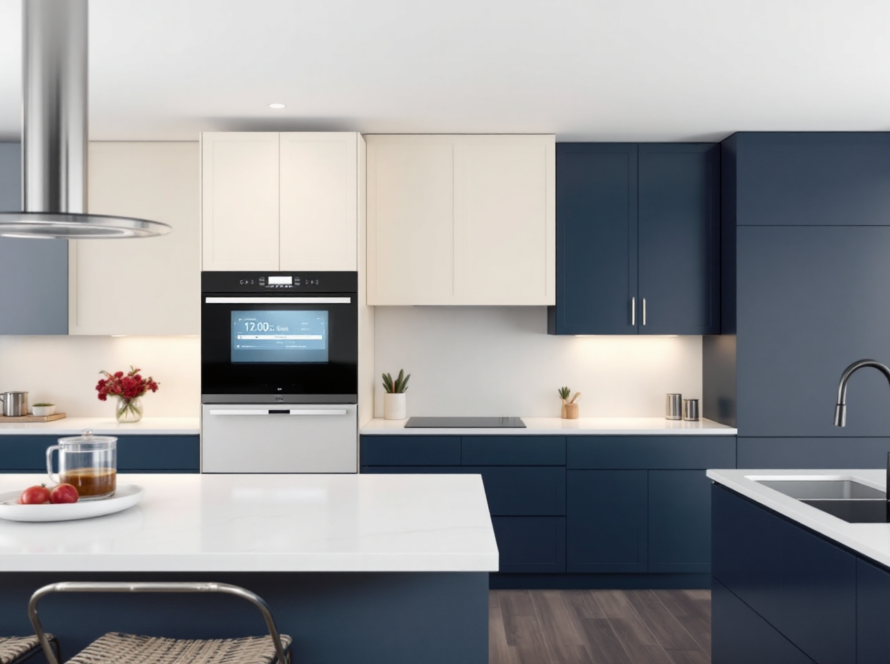
If you’re planning a home improvement project, you’ve probably come across the terms remodeling and renovation. While they might seem interchangeable, they actually refer to different types of construction work.
- Renovation means restoring or updating an existing structure without major changes. Think of repainting walls, replacing flooring, or upgrading fixtures.
- Remodeling involves significant changes to a space, like knocking down walls, expanding a room, or reconfiguring the layout.
Understanding the difference is crucial for setting the right budget, hiring the right professionals, and achieving your desired outcome. So, which one do you need? Let’s break it down.
TL;DR – Quick Guide
- Renovation = Cosmetic and functional updates (painting, new flooring, fixture upgrades).
- Remodeling = Structural changes (wall removal, layout reconfiguration, adding rooms).
- Cost Differences – Renovations are typically cheaper than remodels.
- Time Commitment – Renovations take less time, while remodels require permits and structural work.
- Best for Home Value – Remodeling can add more value, but smart renovations offer great ROI too.
Remodeling vs. Renovation: Key Differences
1. Renovation: Refreshing & Restoring
A renovation focuses on improving a space without changing its fundamental structure. It’s all about making old things look new again.
Examples of Renovation:
✅ Painting walls and ceilings
✅ Replacing flooring (hardwood, tile, carpet)
✅ Upgrading kitchen cabinets without changing layout
✅ Installing new countertops, sinks, or fixtures
✅ Refreshing bathrooms with new tiles and vanities
Pros & Cons of Renovation
✔ Pros:
- More affordable than remodeling
- Less invasive (minimal disruption)
- Increases home value with a high ROI
❌ Cons:
- No major structural changes (if your space is inefficient, it stays that way)
- May uncover hidden issues (like outdated wiring or plumbing)
Best for: Homeowners who want cosmetic improvements without major construction.
2. Remodeling: Changing the Structure & Function
A remodel goes beyond surface updates and alters the structure, layout, or purpose of a space.
Examples of Remodeling:
✅ Removing walls to create an open-concept floor plan
✅ Converting a basement into a living space
✅ Expanding a kitchen or adding an island
✅ Transforming a bathtub into a walk-in shower
✅ Changing room layouts (e.g., turning a bedroom into a home office)
Pros & Cons of Remodeling
✔ Pros:
- Completely transforms the look and function of a space
- Can add significant property value
- Allows for customization to fit your needs
❌ Cons:
- More expensive than renovations
- Requires permits and professional contractors
- Takes longer due to structural changes
Best for: Homeowners who want to reconfigure a space for better functionality or increase property value significantly.
Cost Comparison: Remodeling vs. Renovation
Renovation Costs:
- Bathroom: $5,000 – $15,000
- Kitchen: $10,000 – $25,000
- Whole home refresh: $15,000 – $50,000
Remodeling Costs:
- Bathroom: $15,000 – $50,000
- Kitchen: $25,000 – $75,000
- Whole home remodel: $50,000 – $150,000+
Tip: If your budget is tight, consider a renovation with strategic upgrades instead of a full remodel.
Which One Do You Need?
Choose Renovation If:
✔ Your home needs a refresh (new paint, flooring, or fixtures)
✔ You’re on a tight budget but still want improvements
✔ You’re looking for fast updates with minimal hassle
Choose Remodeling If:
✔ Your space isn’t functional and needs reconfiguration
✔ You want to add significant home value
✔ You’re ready for a big investment and longer project timeline
Pro Tip: If you’re planning to sell soon, renovations offer the best return on investment. If you’re staying long-term, a remodel might be worth it.
Key Takeaways
- Renovation = Surface-level improvements that refresh your space.
- Remodeling = Structural changes that alter function and layout.
- Renovations are cheaper and take less time, while remodels require permits and bigger budgets.
- For resale, renovations provide higher ROI, but remodels add long-term value.
- Choose the right option based on your goals, budget, and timeline.
If you’re unsure whether to renovate or remodel, consulting with a professional can help you make the best decision for your home.
FAQs
1. Do I need a permit for renovation or remodeling?
For basic renovations (painting, flooring, new fixtures), no permit is needed. However, remodels that involve structural changes, plumbing, or electrical work typically require permits.
2. Which adds more value to my home: remodeling or renovation?
A well-executed renovation offers the best ROI (like a fresh kitchen or updated bathroom). However, major remodels can significantly increase home value if done strategically.
3. Can I DIY my renovation or remodel?
Many renovations can be DIY (like painting or installing new light fixtures). However, remodeling usually requires professionals due to structural, plumbing, or electrical changes.
4. How long do renovations and remodels take?
- Renovations: A few days to a few weeks.
- Remodels: Several weeks to months, depending on scope.
5. Should I renovate or remodel before selling my home?
Renovations (fresh paint, flooring, fixture updates) often bring the highest return on investment for resale. Remodels can increase value, but cost more upfront.