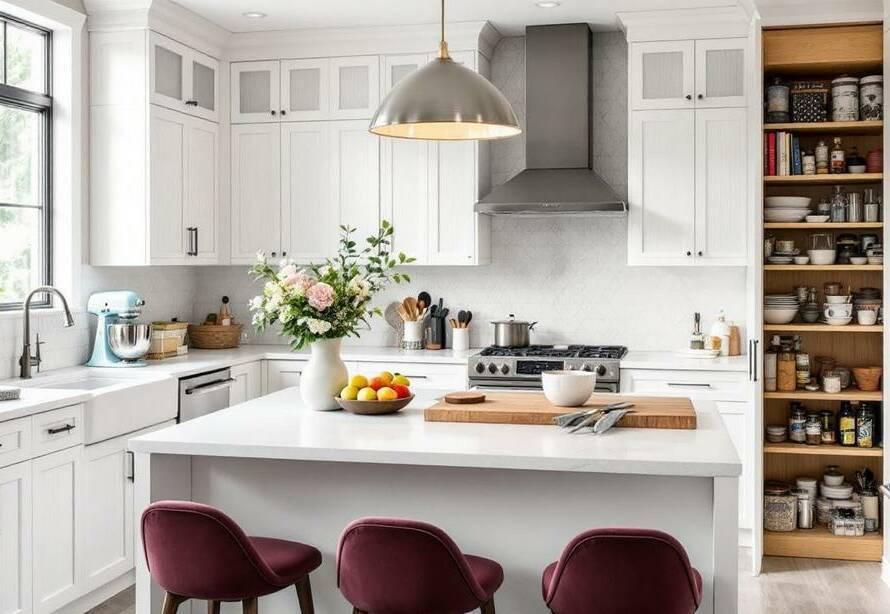
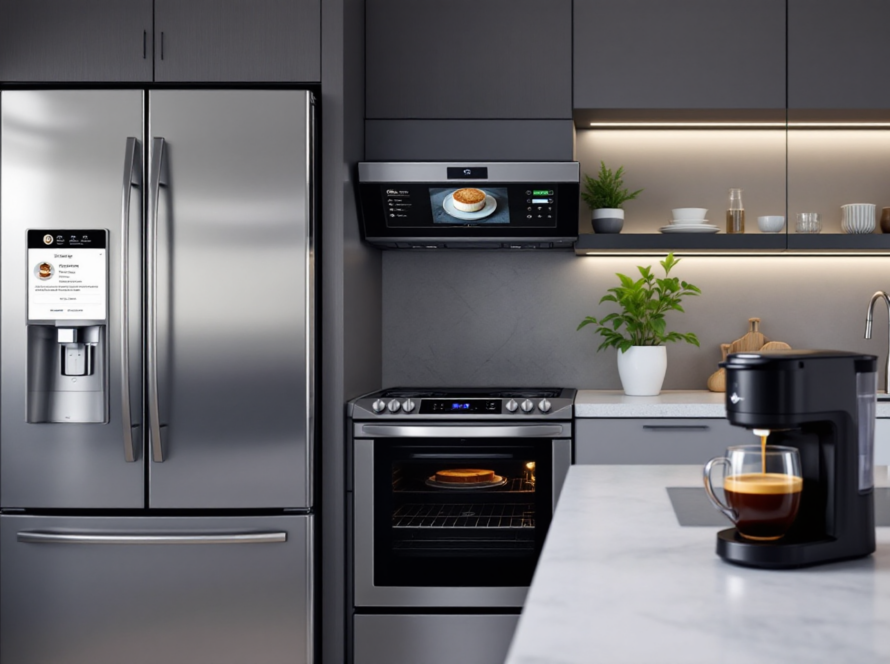
Let’s face it—none of us are getting any younger, and the kitchen, that bustling heart of the home, shouldn’t become a daily obstacle course. Planning a kitchen remodel for aging in place isn’t just about accessibility; it’s about independence, safety, and living your best life without compromising style.
By 2030, 1 in 5 Americans will be 65 or older. As the population ages, remodeling for long-term living is smart—not just for current needs, but for the unexpected future. The kitchen is one of the most used and most accident-prone rooms in the home, making it priority #1 when designing for longevity.
Whether you’re planning ahead or helping aging parents stay in their homes longer, here’s how to design a kitchen that stands the test of time (and knees).
TLDR – Quick Guide
- Start with safety first: Non-slip floors, proper lighting, and zero-threshold entries are musts.
- Lower your expectations—literally: Countertops, cabinets, and appliances should all be within easy reach.
- Go for drawers over doors: Pull-out drawers are easier on the back and more accessible.
- Opt for D-shaped handles and touchless features to minimize grip strain.
- Create wide, barrier-free pathways: At least 42 inches for easy movement, including walkers and wheelchairs.
Implementation Tactics
1. Rethink Your Layout
The classic kitchen triangle (sink, stove, fridge) still works—but it needs to be flexible. Prioritize:
- Accessible routes: Aim for 42–48 inches of clear width between counters.
- Multi-height counters: Include sections that are 30 inches high for seated prep work.
- Open floor plans: Minimize corners and tight turns.
According to AARP, clear visual lines and ample turning space are vital for those with mobility issues.
2. Safer Surfaces and Smart Storage
Forget slippery tiles and sky-high cabinets. For aging in place:
- Flooring: Choose slip-resistant vinyl, rubber, or matte-finished tiles.
- Storage: Pull-out pantries, lazy Susans, and deep drawers reduce bending and reaching.
- Soft-close everything: Prevents injury and adds a touch of luxury.
Drawers with full-extension glides allow easy access to everything inside. Bonus: You’ll never lose a can of chickpeas again.
3. Appliance Upgrades That Actually Matter
This isn’t the time to chase trendy built-ins or hide your fridge behind cabinet doors.
- Wall ovens at waist height: Prevent bending or awkward lifting.
- Induction cooktops: Safer than gas—no open flame, and cool to the touch.
- Side-by-side fridges: Easier to access both freezer and fridge compartments.
Install an appliance garage at counter height to house heavy items like mixers, so they’re always within reach.
4. Lighting: The Unsung Hero
Poor lighting is a hazard—period.
- Layered lighting: Use ambient, task, and accent lighting.
- Under-cabinet lighting: Crucial for visibility while prepping.
- Motion sensors and voice-activated controls: Say goodbye to fumbling with switches.
Studies show older adults need two to three times more light to see clearly compared to younger people.
5. Accessible Fixtures and Hardware
Function and design can—and should—coexist.
- Lever-style or touchless faucets: Easier on arthritic hands.
- D-shaped drawer pulls: Easier to grip than knobs.
- Shallow sinks: No more hunching over to wash dishes.
If budget allows, consider installing an adjustable-height sink or faucet that responds to voice commands.
Key Takeaways
Planning a kitchen remodel for aging in place is about more than aesthetics—it’s about creating a space that promotes safety, independence, and confidence for years to come. With a little strategy and the right design choices, you can build a kitchen that serves everyone in the household—today and tomorrow.
FAQs
What is the best kitchen layout for aging in place?
A U-shape or L-shape with wide walkways and an open layout works best, offering flexibility and easy movement for walkers or wheelchairs.
Are there specific cabinets designed for aging in place?
Yes. Cabinets with pull-out shelves, soft-close drawers, and D-shaped handles are ideal for accessibility and ease of use.
Should I lower my kitchen counters?
It’s recommended to include multi-level counters, including one at 30 inches for seated prep work or wheelchair access.
What type of flooring is safest?
Slip-resistant vinyl, cork, or textured tile flooring is best for preventing slips and providing a bit of cushioning.
How much does a kitchen remodel for aging in place cost?
Depending on features and finishes, expect to invest between $15,000 and $50,000. However, it could save more in the long run by reducing injury risk and extending independence.